Clean-Up Campaign on Al-Azizi Island Coast to Protect Sea Turtles in the Gulf of Aden
17th February 2026
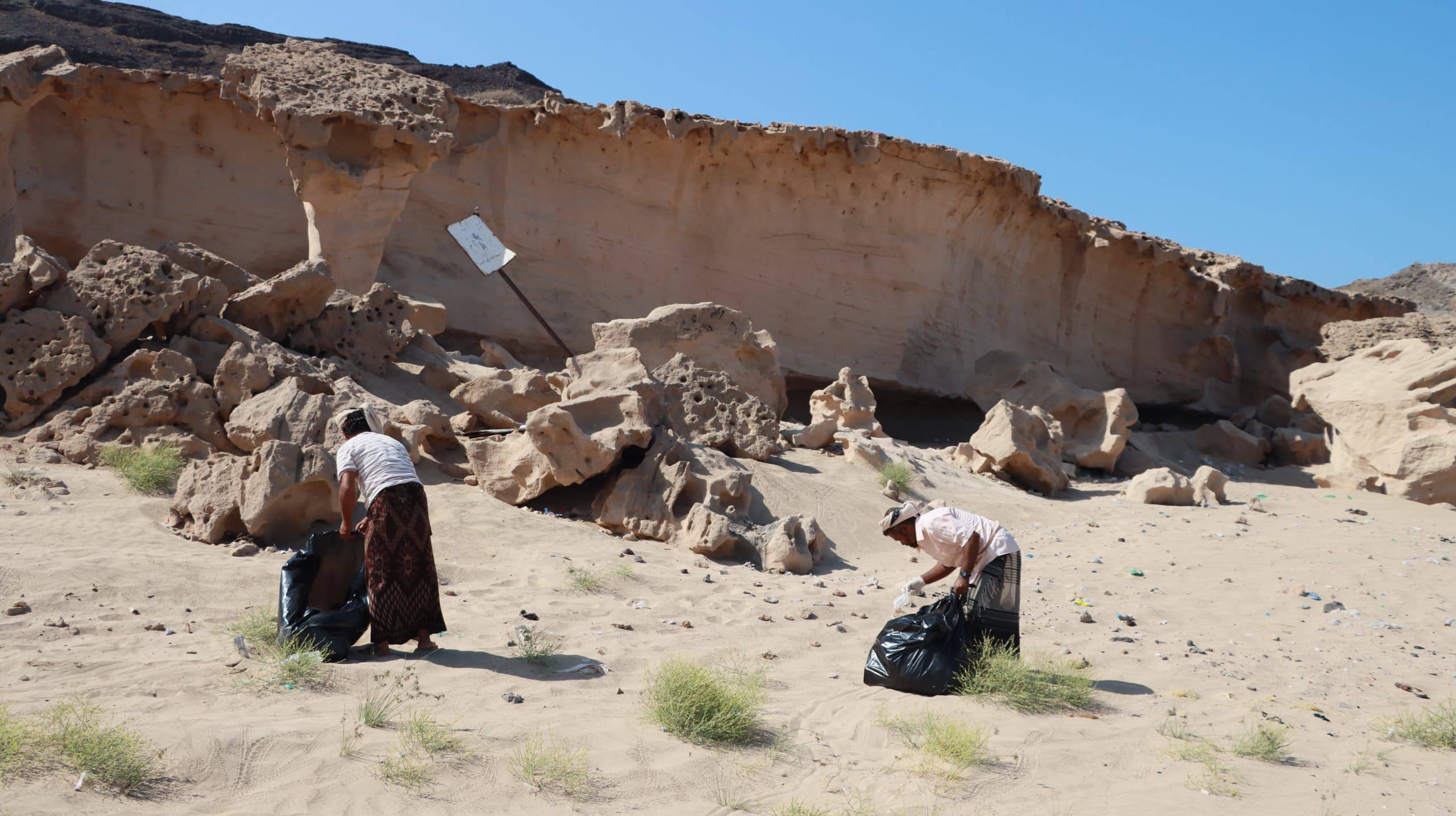
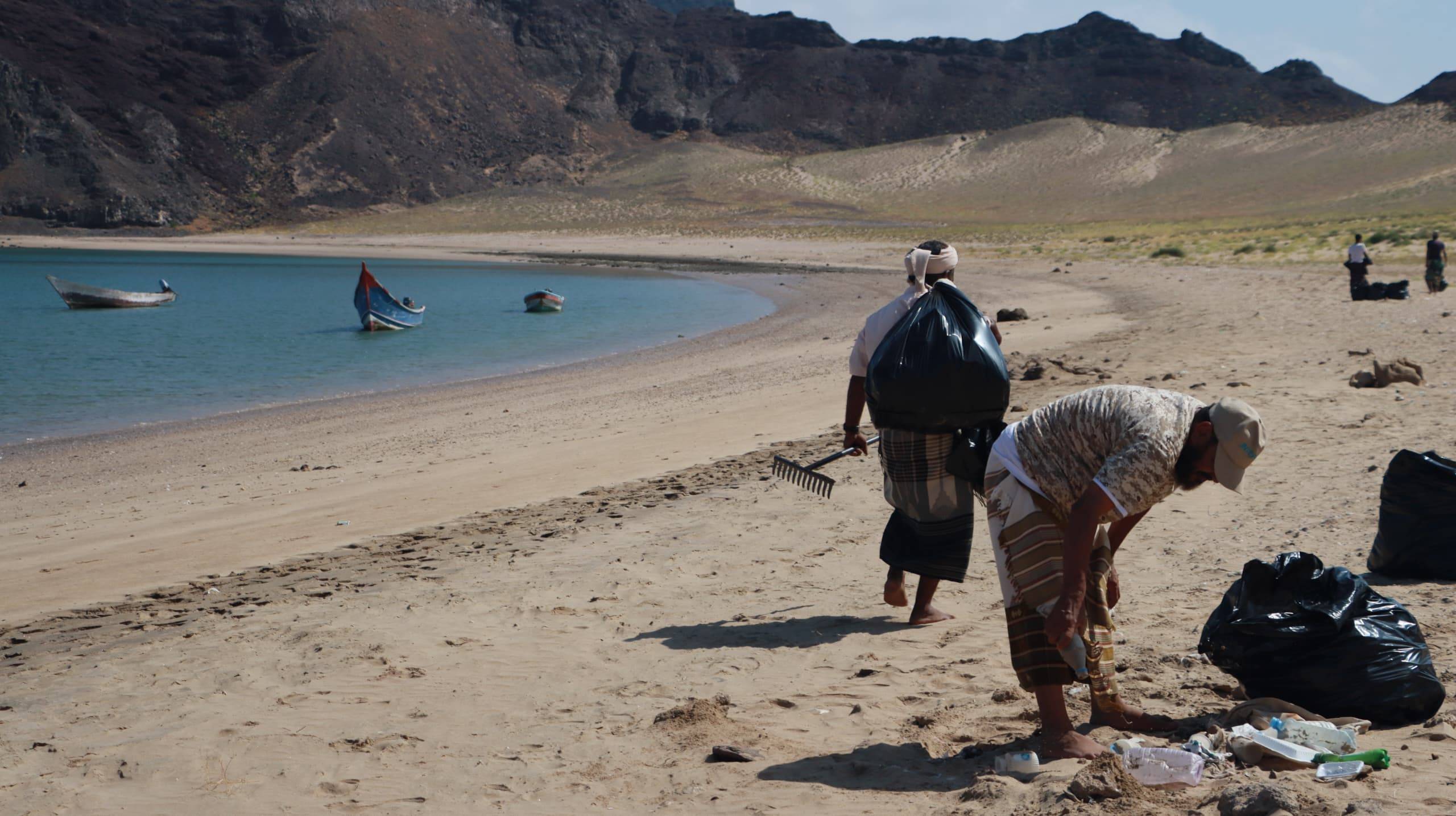
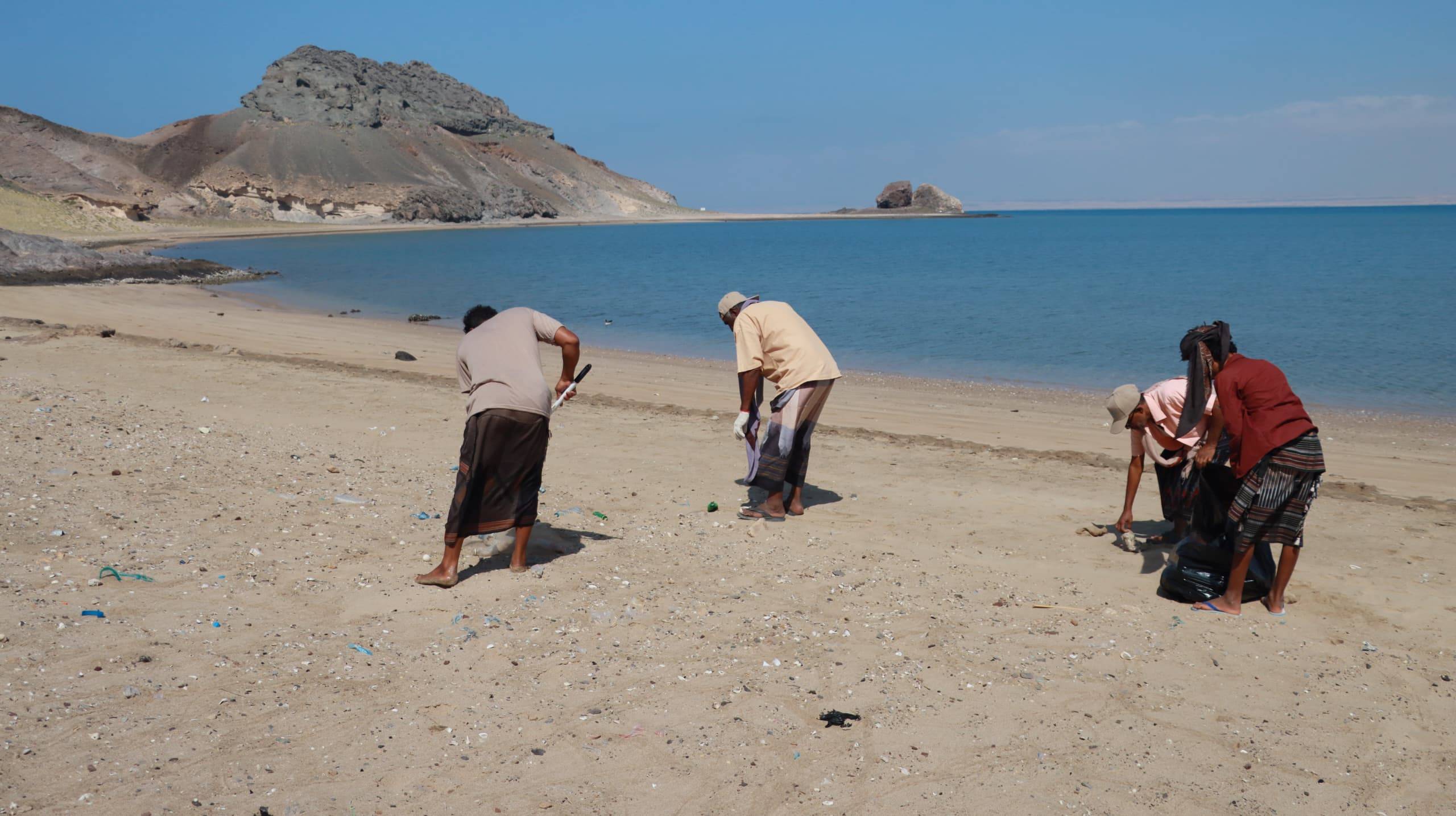
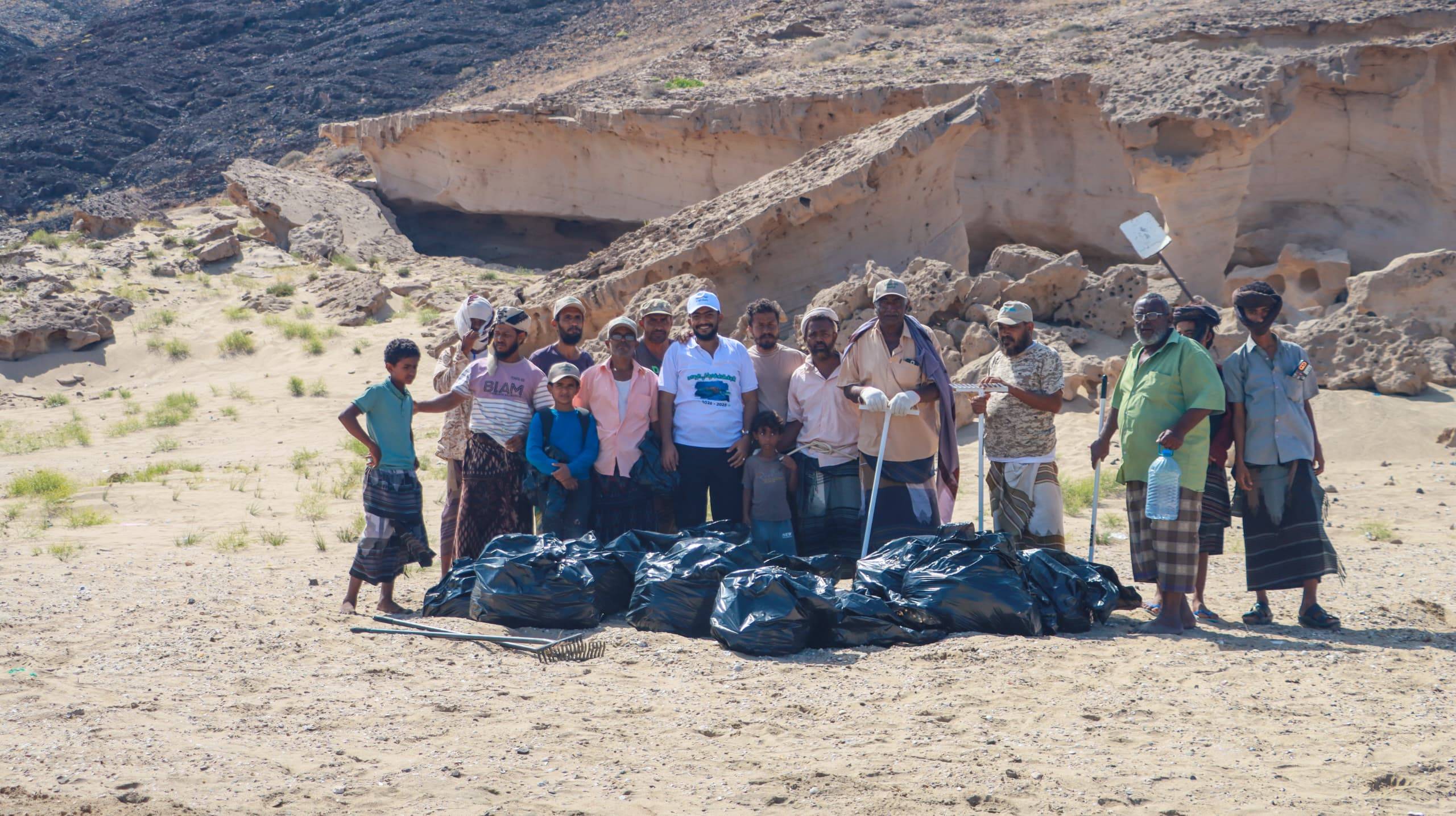
Today, the Ruaa Centre for Strategic Studies, Consultation, and Training carried out a clean-up campaign along the coast of Al-Azizi Island as part of the campaign “Save Sea Turtles in the Gulf of Aden,” which aims to protect the coastal environment and preserve sea turtle habitats during the nesting season.
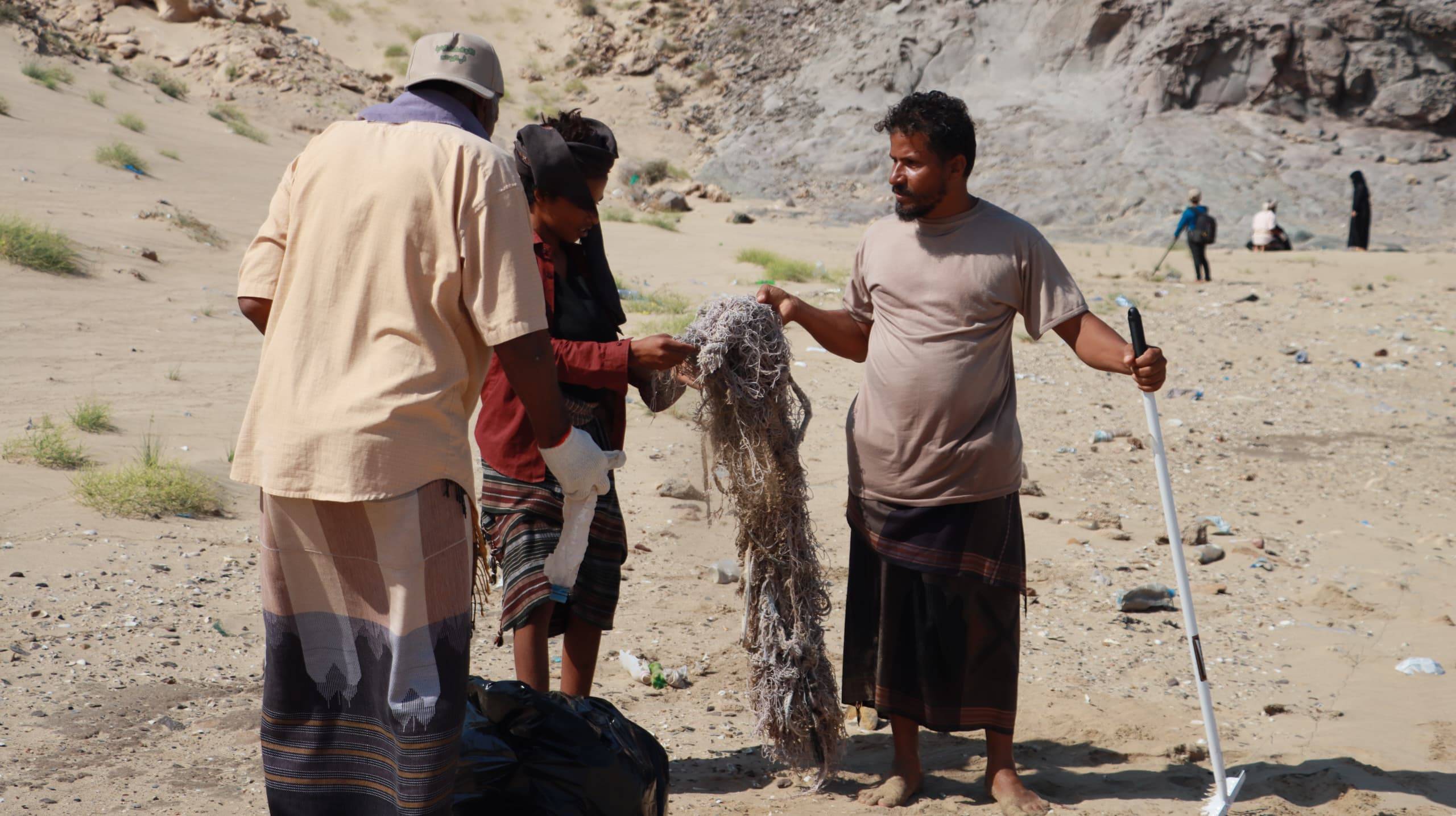
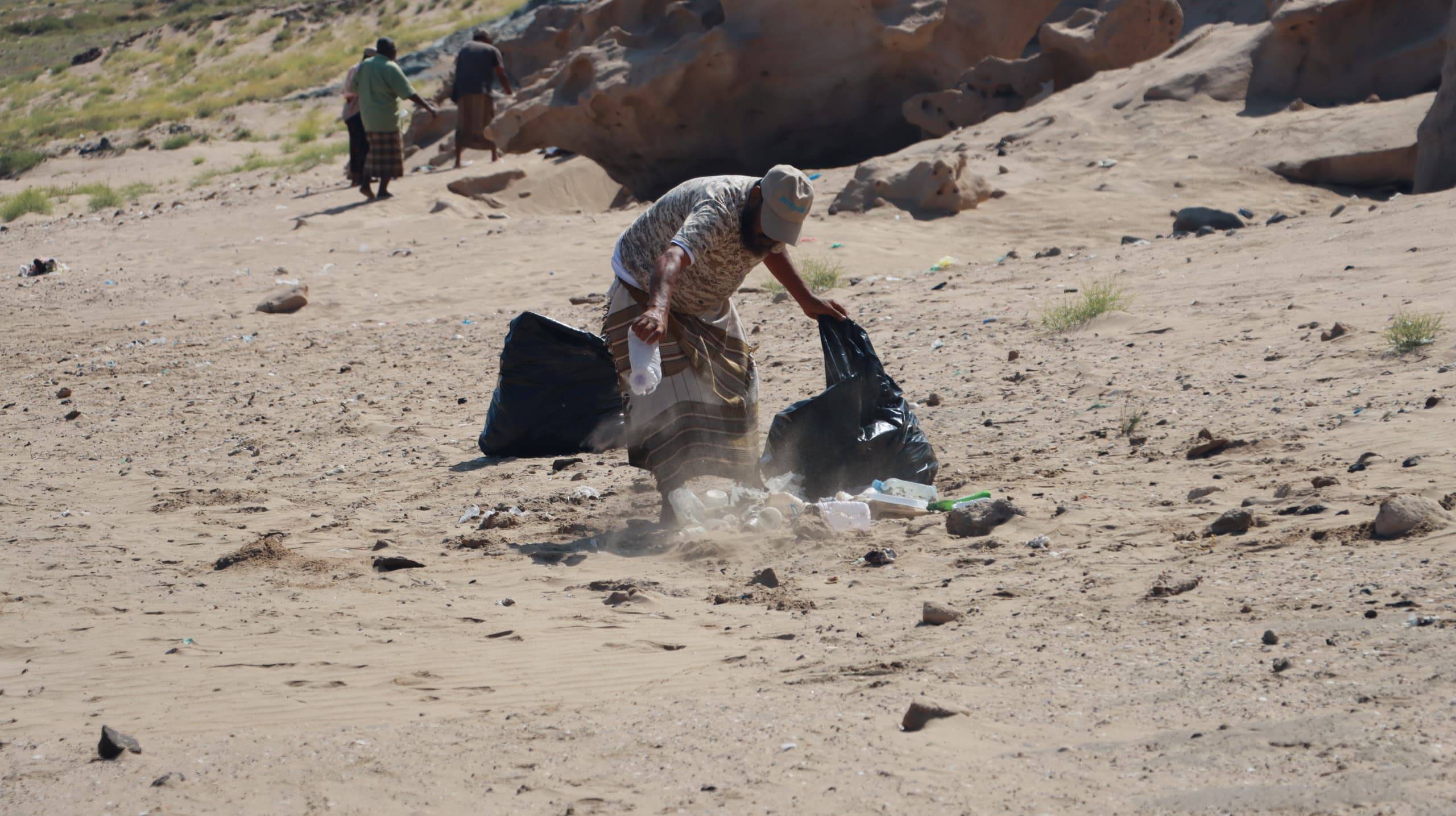
The campaign was supported by the Global Environment Facility (GEF) and the Small Grants Programme (SGP), in cooperation with the office of the General Authority for Environmental Protection. Activities included removing plastic waste and solid garbage that pose a direct threat to sea turtles and their breeding environment, particularly in areas witnessing nesting activity during this time of year.
Mohammed Al-Kazmi, Deputy Head of the Centre, stated that the campaign came in response to the urgent need to clean the coast from waste left behind by some visitors who did not comply with the directive issued by the local authority in Al-Buraika District, which prohibits visits to the island during the nesting season in order to protect turtles and their natural habitat.
Al-Kazmi called on security authorities and concerned agencies to strictly enforce this directive due to its importance in protecting marine biodiversity and preserving environmentally sensitive sites. He emphasized that continued community and official efforts are essential to ensuring the success of sea turtle conservation programs along the Gulf of Aden coast.
The campaign also saw active participation from fishermen in the Imran and Ras Imran areas, who contributed to cleaning activities and removing waste from the coastline, reaffirming their community role in protecting the marine environment and safeguarding turtle nesting sites.
Participants expressed their willingness to continue cooperating with environmental initiatives aimed at conserving natural resources and raising awareness about the importance of adhering to regulations protecting coastal areas during nesting seasons.
Photos