Ruaa Centre Leads Field Efforts to Protect Sea Turtles on Al-Azizi Island
3rd February 2026
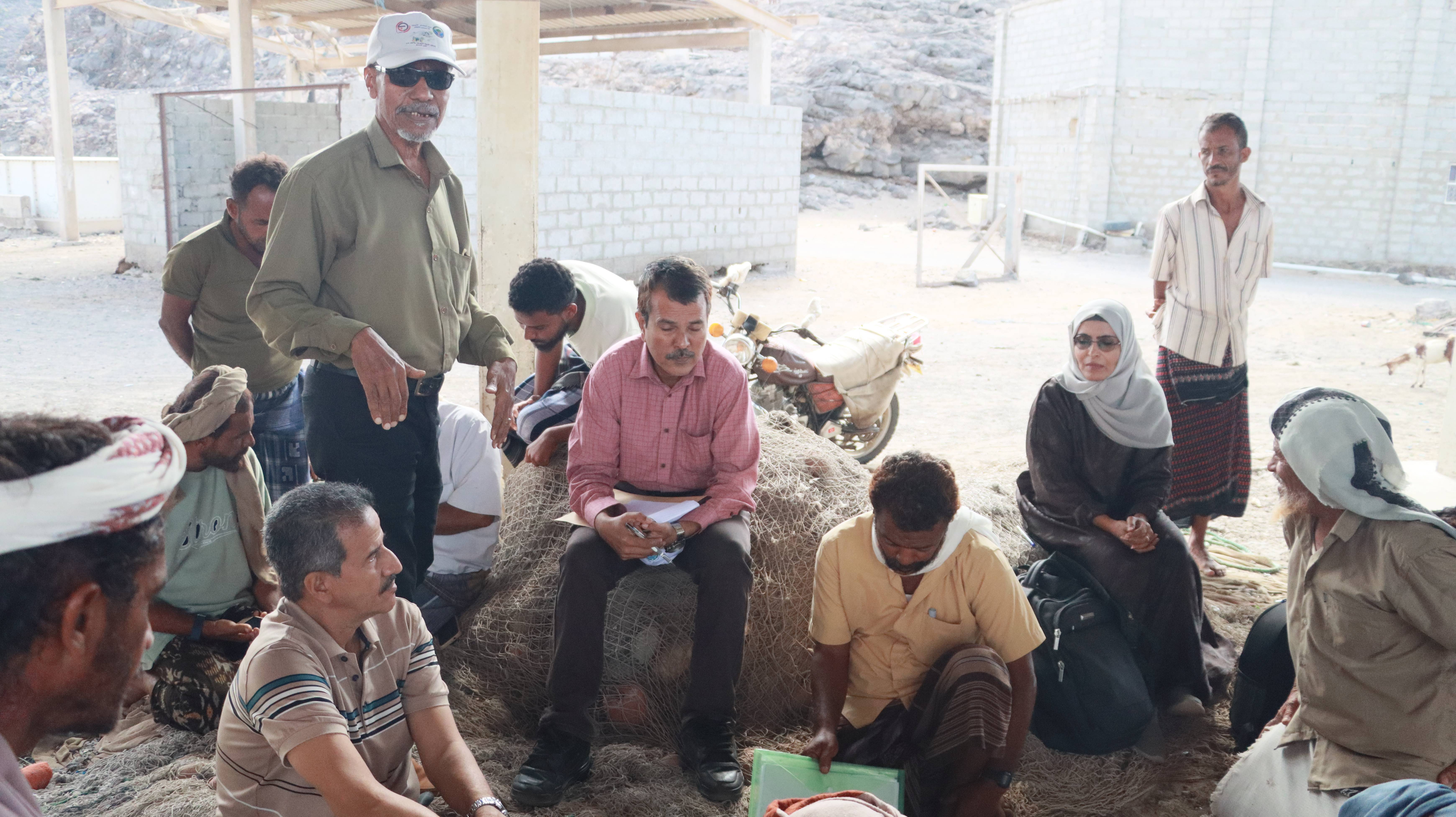
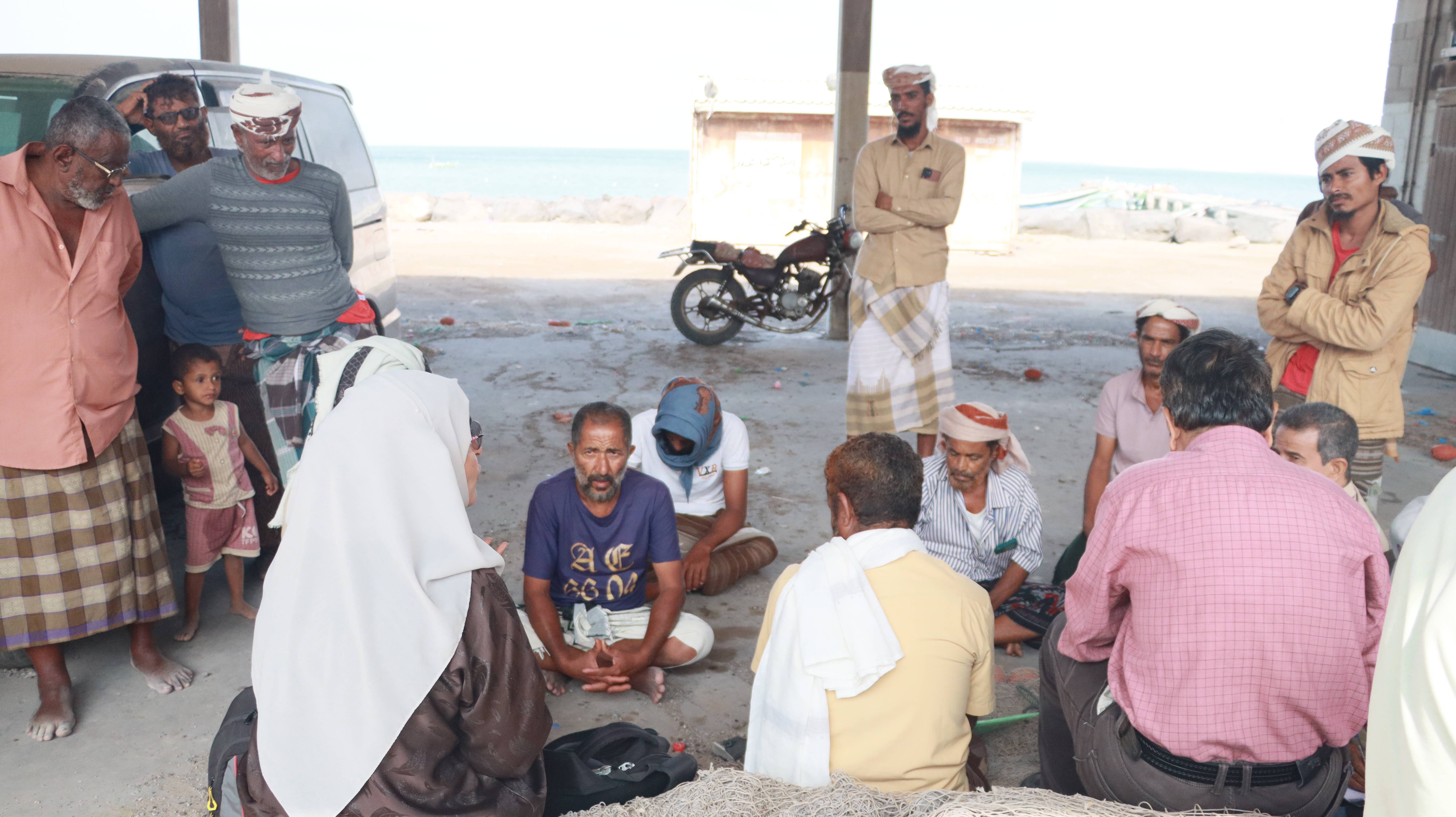
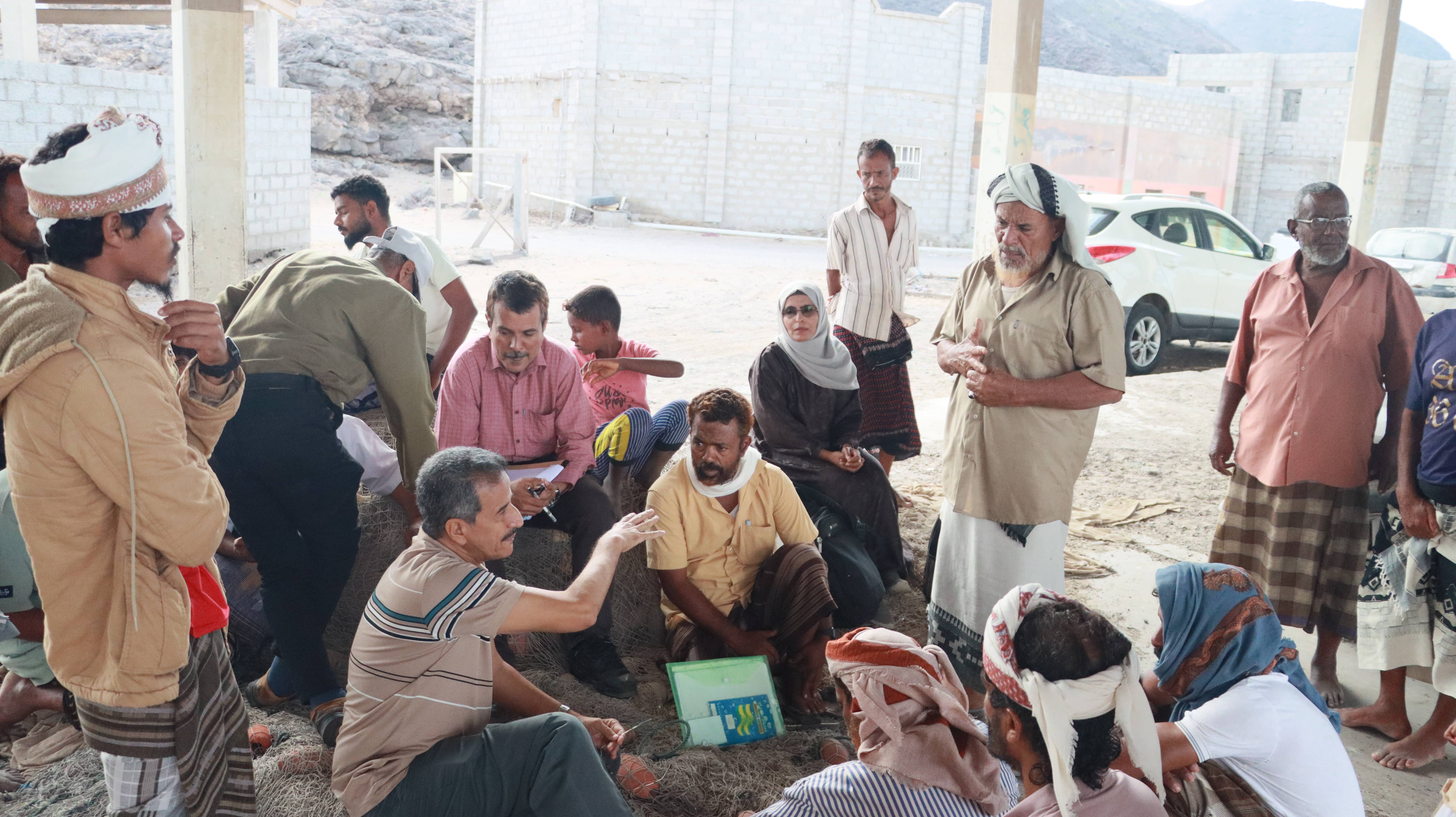
In a move reflecting intensified efforts to protect marine life in the Gulf of Aden, the Head of the Ruaa Centre for Strategic Studies, Consultations, and Training, Dr. Jaklin Mansour Al-Battani, conducted a field visit on Tuesday to Al-Azizi Island. She was accompanied by the Director of the General Authority for Environmental Protection branch in Aden, Eng. Niazi Mustafa, the branch consultant Eng. Mohammed Abdullah Saad, and Dr. Jamal Bawazir, Head of the Environmental Protection Unit at the Centre, to review the work of field camping teams tasked with protecting sea turtles during the nesting season.
During the visit, Dr. Al-Battani and the accompanying delegation closely monitored daily nest protection and observation activities, as well as measures taken to secure nesting sites from environmental threats and human activities that endanger sea turtle populations in the area.
Dr. Al-Battani emphasized that the project “Save the Sea Turtles of the Gulf of Aden,” funded by the Global Environment Facility (GEF) and the Small Grants Programme (SGP), represents a practical step toward saving one of the most endangered marine species. She noted that cooperation between the Ruaa Center and the General Authority for Environmental Protection serves as a national model for partnership in biodiversity conservation and safeguarding natural resources for future generations.
She further explained that field visits go beyond routine supervision, aiming instead to evaluate performance and provide direct support to field teams operating under challenging conditions, thereby enhancing protection efficiency and improving operational mechanisms during nesting seasons.
Dr. Al-Battani also listened to challenges faced by field teams, particularly logistical needs and environmental conditions on the island, reaffirming the Center’s commitment to continuing coordination with relevant authorities to provide necessary support and enable protection teams to effectively safeguard this rare environmental heritage.
Photos